


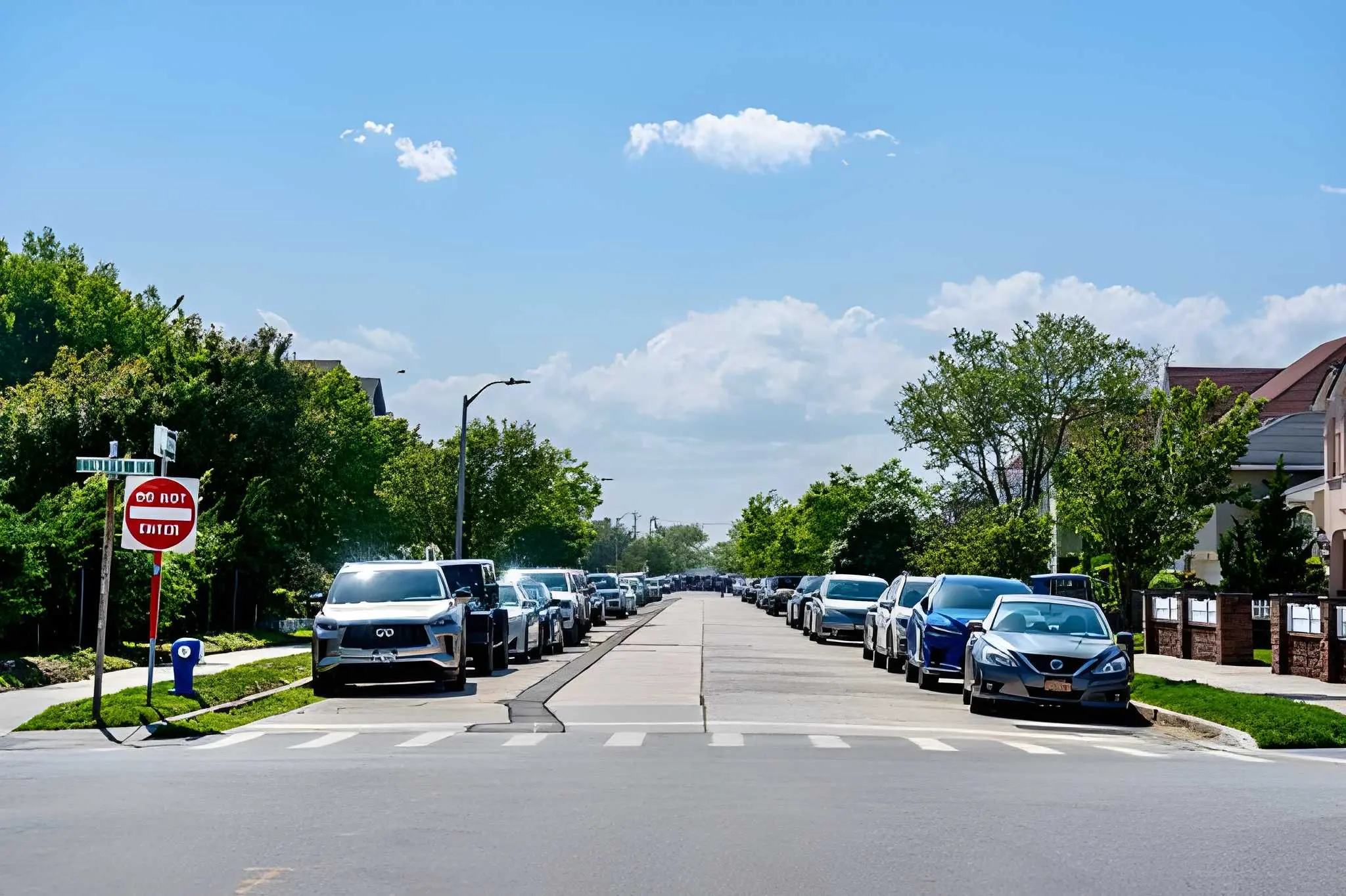
The Long Island Expressway is long, crowded, and unforgiving. You share tight lanes with trucks, commuters, and tired drivers who rush or look at their phones. One small mistake can turn into a crash that changes your life. On this road, some types of accidents happen again and again. Each type has its own pattern, cause, and impact on your body and your mind. You need to know what you face when you merge, change lanes, or sit in stop and go traffic. This guide explains the most common crashes on the Expressway so you can spot danger early and protect yourself and your family. It also shows when a Queens car accident lawyer may step in to protect your rights after a wreck. When you understand these crash patterns, you drive with more control, and you respond with more strength when something goes wrong.
Why the Long Island Expressway Is So Risky
You already know the Long Island Expressway is stressful. The mix of heavy traffic, narrow shoulders, and constant entry and exit ramps raises the odds of a crash. Stop and go traffic leads to sudden braking. Speeding drivers weave through lanes. Tired drivers push through long commutes.
According to the National Highway Traffic Safety Administration, speeding, distraction, and impairment are leading causes of serious crashes nationwide. On the Expressway, those same risks appear in tight spaces and at high speeds. That mix hits families hard.
Common Types of Crashes on the Long Island Expressway
You see many types of wrecks on this road. Some stand out because they repeat so often and cause so much pain.
Rear-End Collisions
Rear-end crashes are frequent in rush hour traffic. You see them near exits and in bottlenecks.
Common causes include:
- Following too close in heavy traffic
- Looking at a phone or screen instead of the brake lights ahead
- Sudden stops from traffic waves
- Wet or icy pavement that extends stopping distance
You can lower your risk if you:
- Leave at least three seconds of space to the car in front of you
- Look far ahead, not only at the bumper in front of you
- Slow down early when you see brake lights
- Silence your phone and keep it out of reach
Side-Swipe and Lane-Change Crashes
Side-swipe crashes often happen when a driver changes lanes without checking mirrors or blind spots. They also happen when a driver drifts because of fatigue or distraction.
Risk factors include:
- Frequent lane changes to gain a small time advantage
- Speed differences between lanes
- Large trucks that block your view
- Drivers who do not use turn signals
You can reduce risk by:
- Making calm lane changes with clear signals
- Spending less time in other drivers’ blind spots
- Passing trucks with care and leaving space
- Checking mirrors and looking over your shoulder every time
Multi-Car Pileups
On the Expressway, one crash often triggers more. A rear-end crash in fast traffic can become a chain reaction, especially in low light or poor weather.
Common triggers include:
- Fog, rain, or snow that cuts visibility
- Speeding into a slow or stopped line of cars
- Rubbernecking near a prior crash
- Drivers stopping in live lanes instead of moving to the shoulder
You can protect your family by:
- Slowing down as soon as you see hazards or flashing lights
- Turning on headlights in rain or low light
- Leaving extra distance in bad weather
- Moving your car out of live lanes after a minor crash when it is safe
Truck and Bus Crashes
Large trucks and buses are common on the Long Island Expressway. Their size turns any mistake into a severe event. They need longer stopping distance and have large blind spots.
Risks increase when:
- You cut in front of a truck and then brake
- You drive beside a truck for long stretches
- You follow a truck too closely and cannot see ahead
Protect yourself by:
- Leaving more space when merging in front of trucks
- Passing with purpose and then moving ahead
- Staying out of blind spots near the sides and rear
Common Long Island Expressway Crash Types at a Glance
| Crash Type | Typical Cause | Where It Often Happens | Simple Prevention Step |
|---|---|---|---|
| Rear-end collision | Following too close, distraction | Rush hour, near exits | Keep a three second gap |
| Side-swipe | Unsafe lane change, blind spots | Lane merges, near on-ramps | Signal and check over your shoulder |
| Multi-car pileup | Speeding into slowed traffic | Bad weather, low visibility | Slow down at the first sign of brake lights |
| Truck or bus crash | Cutting off large vehicles | Anywhere trucks travel | Leave extra space in front and behind |
| Run-off-road crash | Fatigue, distraction | Late night or early morning | Rest when tired and limit night driving |
How Speed, Distraction, and Fatigue Shape These Crashes
Three habits drive many of these wrecks. Speeding. Distraction. Fatigue. Each one steals your margin for error.
- Speeding reduces your time to react when traffic stops
- Distraction takes your eyes off the road and your mind off driving
- Fatigue slows your reaction and can cause you to drift from your lane
The Centers for Disease Control and Prevention explains that even a few seconds of distraction at highway speeds means you travel the length of a football field without seeing the road. On the Long Island Expressway, that distance can hold a stopped car, a lane shift, or a sudden hazard.
What To Do After a Crash on the Long Island Expressway
If a crash happens, you can still protect yourself and your family. Stay calm and follow clear steps.
- Move to a safe spot if you can do so without more harm
- Turn on hazard lights and stay away from live lanes
- Call 911 and ask for police and medical help
- Exchange information with other drivers and get contact information from witnesses
- Take photos of the scene, damage, and any visible injuries
- Seek medical care even if you feel fine
Later, you can gather records. That includes the police report, medical records, and repair estimates. Those documents support any claim for help with medical bills, lost wages, and other harm.
Protecting Your Family Before and After a Crash
You cannot control every driver on the Long Island Expressway. You can control how you prepare and how you respond. You can teach your children to buckle up every time. You can leave earlier so you do not feel pressure to speed. You can put your phone out of reach. If a crash does happen, you can reach out for support so you do not face the process alone.
When you know the most common crash types and the habits that feed them, you carry more power on this road. You do not erase risk. You do cut the odds of a life changing crash. You also stand in a stronger position if you ever need to seek help after a wreck.
Also Read-₹1 Crore Term Insurance: The New Financial Baseline for Indian Families
