


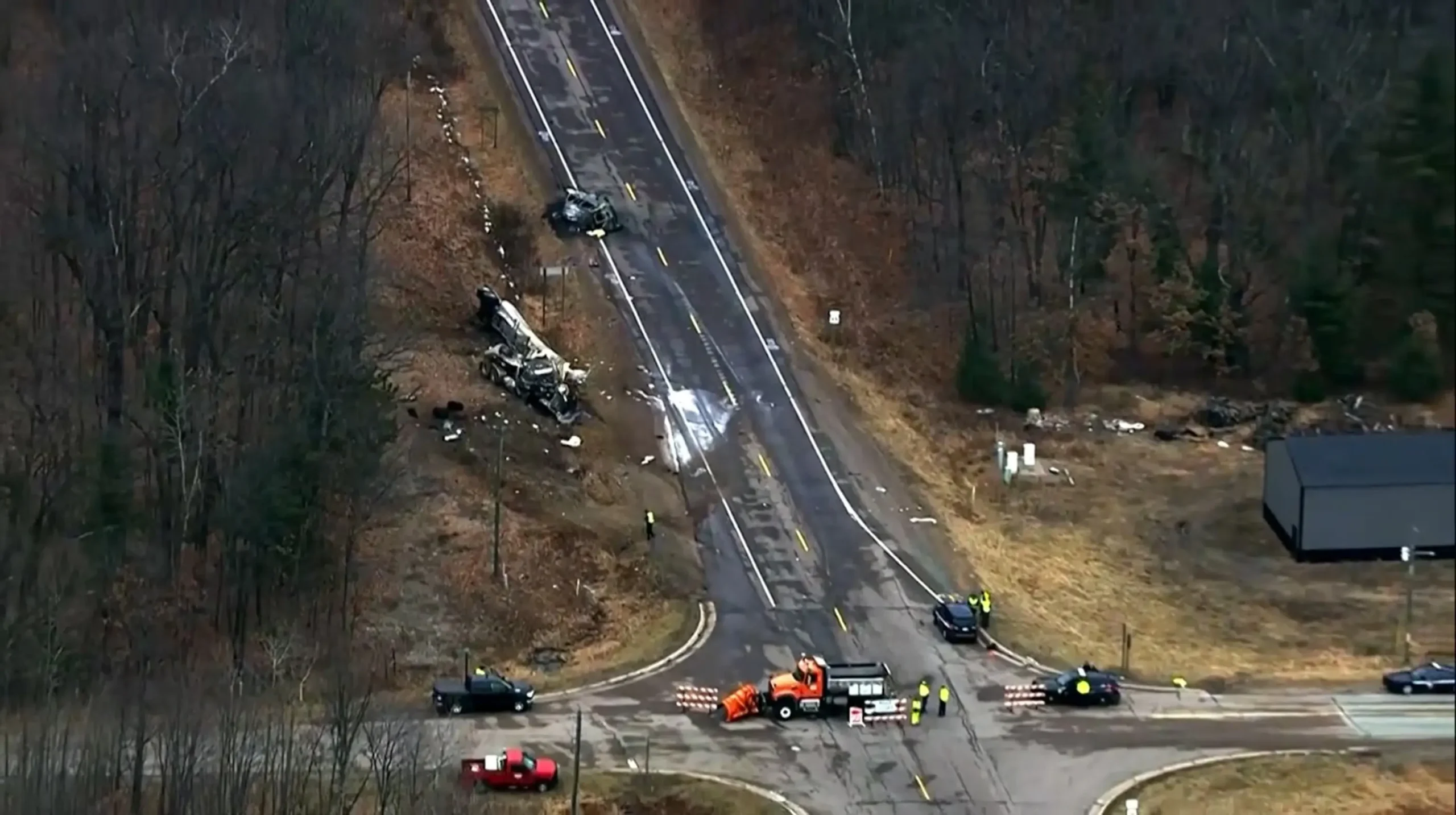
Highways in Wisconsin can turn cruel without warning. Long hours, heavy loads, and harsh weather create a trap for commercial truck drivers and everyone near them. Certain routes see the same kind of wrecks again and again. You may drive them every day. You may know the exits and curves by heart. Yet one bad moment can still destroy a life. This blog points to the Wisconsin routes where deadly truck crashes happen most often. You will see why these highways see more rollovers, jackknifes, and rear‑end collisions. You will learn what to watch for and how to protect yourself and your family. You will also see when it is time to speak with Wisconsin truck accident attorneys after a crash. Careful choices on these roads can spare you from life changing harm.
Why Certain Wisconsin Highways See More Truck Crashes
Some Wisconsin roads carry more trucks than others. More trucks mean more risk. Winter storms, fog, and black ice add to that risk. So do tight curves, short ramps, and work zones. When these factors mix, crashes rise fast.
State and federal data show that heavy truck crashes cluster on a few key routes. You can review crash trends on the Wisconsin Department of Transportation crash data portal and in reports from the Federal Highway Administration crash statistics system. These tools show where large trucks crash more often and how people get hurt.
Highways in Wisconsin with Higher Truck Crash Risk
The list below highlights routes that see more serious truck wrecks. The table that follows gives a simple comparison so you can plan safer trips.
| Highway | Key Segment | Common Problems | Who Faces Highest Risk |
|---|---|---|---|
| I 94 | MN border to Milwaukee | Heavy traffic, winter ice, work zones | Commuters, long haul truckers, families on trips |
| I 41 | Milwaukee to Green Bay | Speeding, lane changes, congestion | Daily commuters, delivery trucks, motorcyclists |
| I 39 / I 90 | Rockford line to Portage | Fog, snow, chain reaction crashes | Interstate truckers, bus riders, night drivers |
| US 41 / US 141 | Green Bay to Marinette | Two lane stretches, passing, wildlife | Local drivers, hunters, shift workers |
| US 51 | Wausau to Minocqua | Tourist traffic, curves, winter storms | Vacationers, logging trucks, RV drivers |
I 94: From Twin Cities to Milwaukee
I 94 carries huge truck traffic into and across Wisconsin. The mix of semi trucks, commuters, and tourists makes this route tense. Winter brings long stretches of ice and snow. Summer brings work zones and lane shifts.
You face high risk when you
- Follow trucks too closely near work zones
- Drive at night during storms or fog
- Change lanes near ramps where trucks merge
You can lower risk by keeping extra space around trucks, slowing near ramps, and watching brake lights far ahead.
I 41: Milwaukee to Green Bay
I 41 links major cities, ports, and factories. Many trucks haul freight on tight schedules. This pressure can lead to speeding and sudden lane moves. The mix of heavy trucks and daily commuters raises crash counts.
Key trouble spots include
- Urban stretches near Milwaukee and Green Bay
- Interchanges with I 43 and US 45
- Sections with narrow shoulders
You can protect your family by avoiding blind spots, never cutting in front of a truck before a ramp, and using turn signals early.
I 39 and I 90: Central Wisconsin Spine
The I 39 and I 90 corridor runs through open country. Long straight lines can lull drivers to sleep. Fog and whiteout snow hit fast. When one truck loses control, others may follow. That is how chain reaction crashes form.
Risk rises when you
- Drive through snow bands at highway speed
- Use cruise control on wet or icy pavement
- Pass trucks on slippery bridges
You can stay safer by slowing early in bad weather, turning off cruise control, and waiting to pass until the road surface looks clear.
US Highways with Heavy Truck Traffic
Not all dangerous truck routes are interstates. US highways cross small towns, school zones, and rural driveways. Large trucks share space with farm equipment and local traffic. That mix can turn deadly on two lane roads.
On routes such as US 41 or US 51 you should
- Wait for safe passing zones with long sight lines
- Expect slow trucks on hills and curves
- Watch for wildlife near woods and marsh
Night driving on these roads can be harsh. Headlight glare and darkness hide hazards until the last second.
How to Share Wisconsin Highways with Trucks
You cannot control truck drivers. You can control your own choices. Three habits cut your risk on any highway.
- Leave space. Keep at least four seconds behind trucks. Give more in rain or snow.
- Stay visible. Avoid riding beside a trailer. Pass with purpose. Move ahead so the driver can see you.
- Plan exits. Signal early. Do not cut across a truck’s front bumper to reach a ramp or rest stop.
Teach teen drivers these habits. Review them with older family members. Practice them on every trip.
What To Do After a Commercial Truck Crash
A crash with a commercial truck can shatter a calm day in one instant. You may feel shock, fear, and confusion. Clear steps can protect your health and your rights.
- Call 911. Report injuries and stay at the scene if it is safe.
- Move to safety if you can. Large trucks can catch fire or leak cargo.
- Seek medical care even if you feel fine. Some injuries show up later.
- Take photos of vehicles, skid marks, and road conditions.
- Collect contact details for witnesses and all drivers.
- Notify your insurer as soon as you can.
Commercial truck crashes often involve company drivers, layers of insurance, and federal rules. Those details can affect who must pay for harm. Careful records help protect you when questions come.
Staying Safe on Wisconsin’s Toughest Truck Routes
Wisconsin highways will always carry heavy trucks. Freight must move. Winter will return. You cannot erase those facts. You can face them with clear eyes.
Learn which routes see more truck crashes. Adjust your speed, space, and route choices. Talk with your family about safe driving habits. If a truck crash harms you or someone you love, prompt guidance can help you sort through the shock and the cost. Careful choices before and after a crash can guard your body, your mind, and your future.
Also Read
